Berlin's Secret Twin
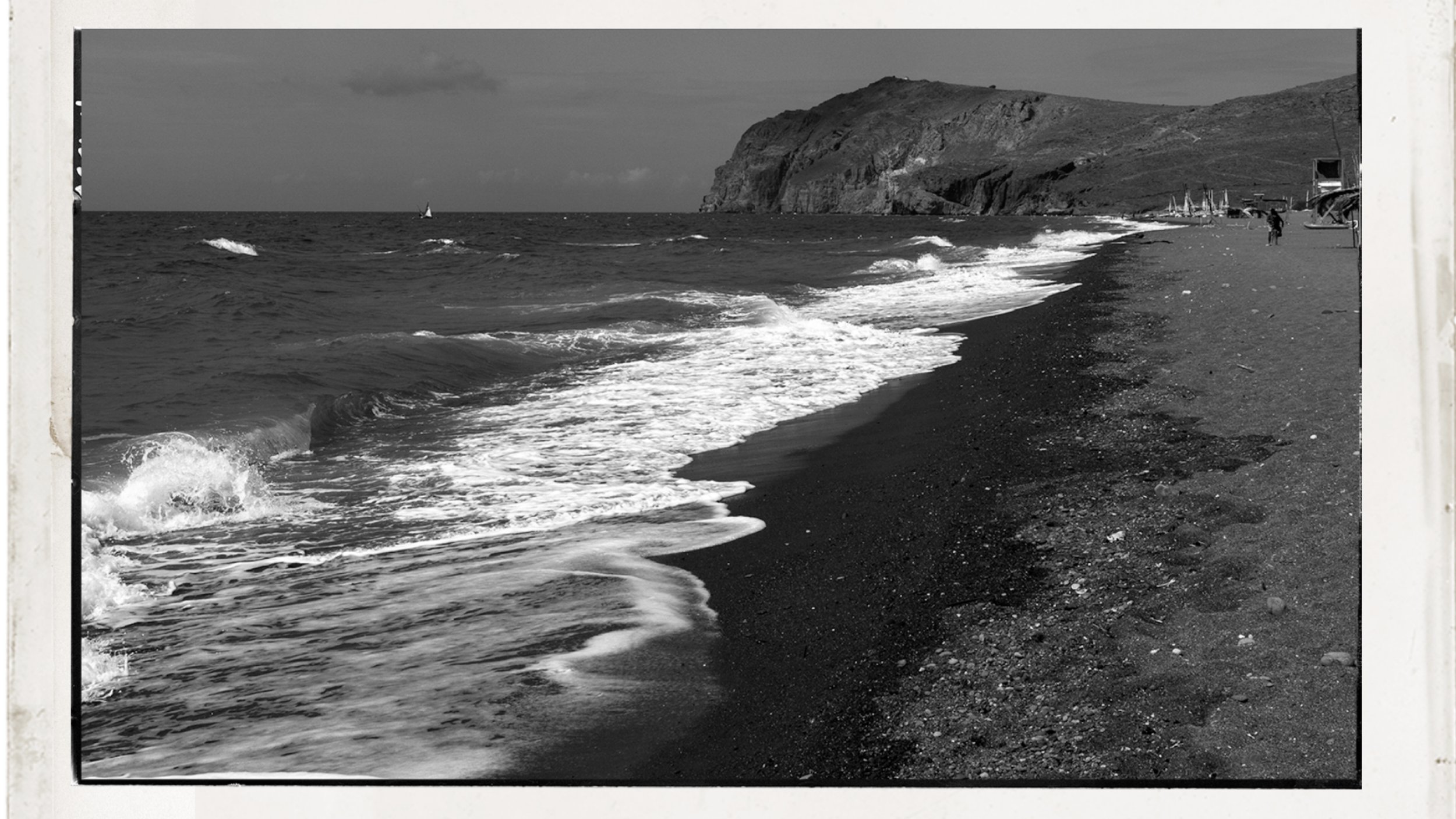
”The lesbian scene is like McDonald’s. Same, same everywhere,” said the Norwegian, as she was having a drink with her wife at the Flamingo bar. A few hours earlier I had arrived in Skala Eressos, in a yellow Fiat Uno driving up and down the hills through a landscape that looked like the moon.
Text and photos © Gry Ellebjerg
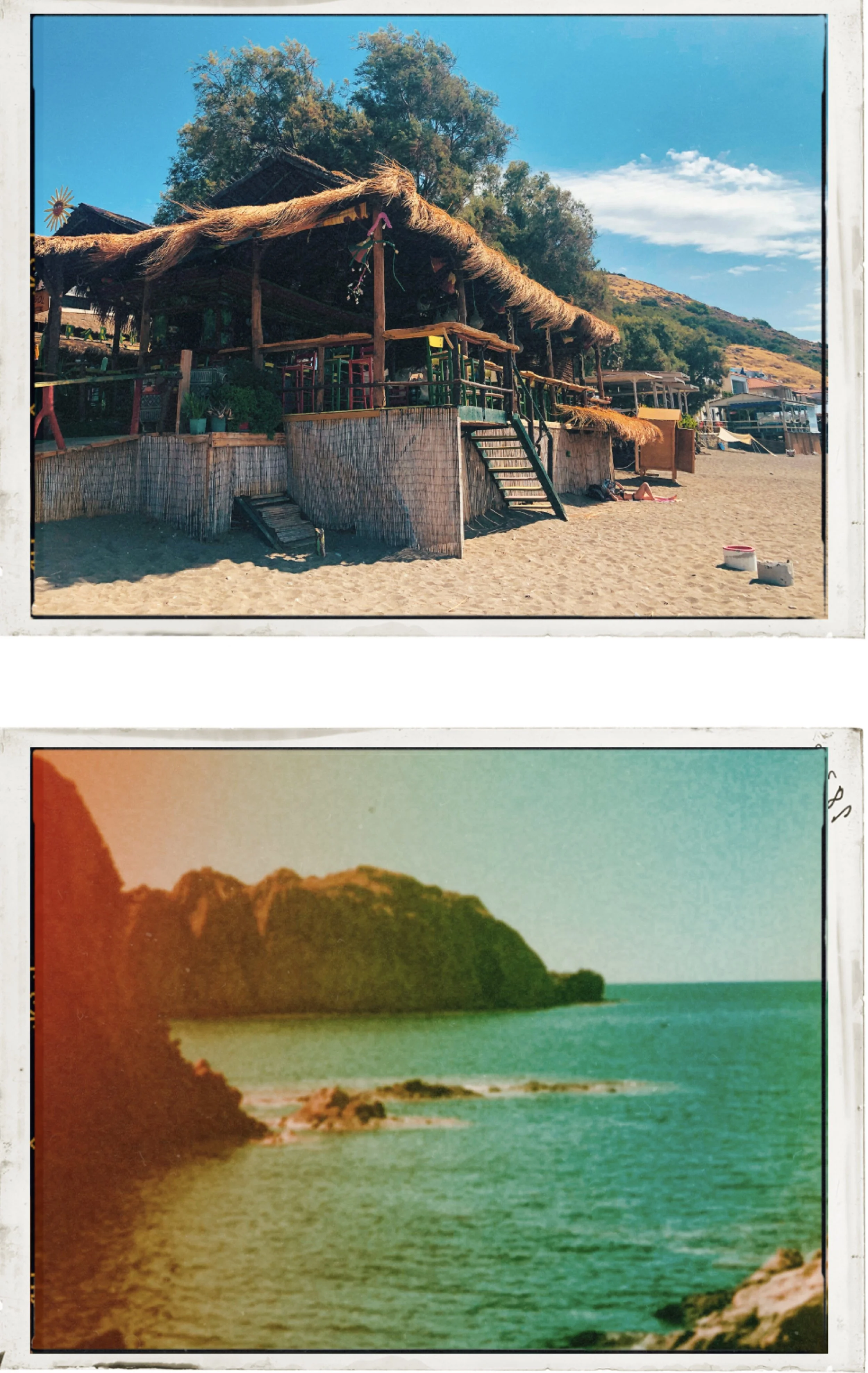
It was August 2015 and I was traveling with my then girlfriend to the Greek island of Lesbos. We did not know much about the village, besides that lesbians had adopted the place, but we had read about the bar in pastel colours named after a bird. That's how we found the two women from Norway.
They told us how bad the scene was in Oslo. That's why they came here, every year. This was the couple's time in the oxygen tank that would help them survive the year. They were addicted to the place. “In fact, they got married over there,” one of them explained, pointing in some direction.
I got the analogy of McDonald’s. I had experienced the same. The lesbian places I had visited in Brighton, Copenhagen, Gothenburg and London were more or less the same. They looked the same, had the same crowd, the same music, and the same bars or lack of them. That sentence has stuck with me ever since.
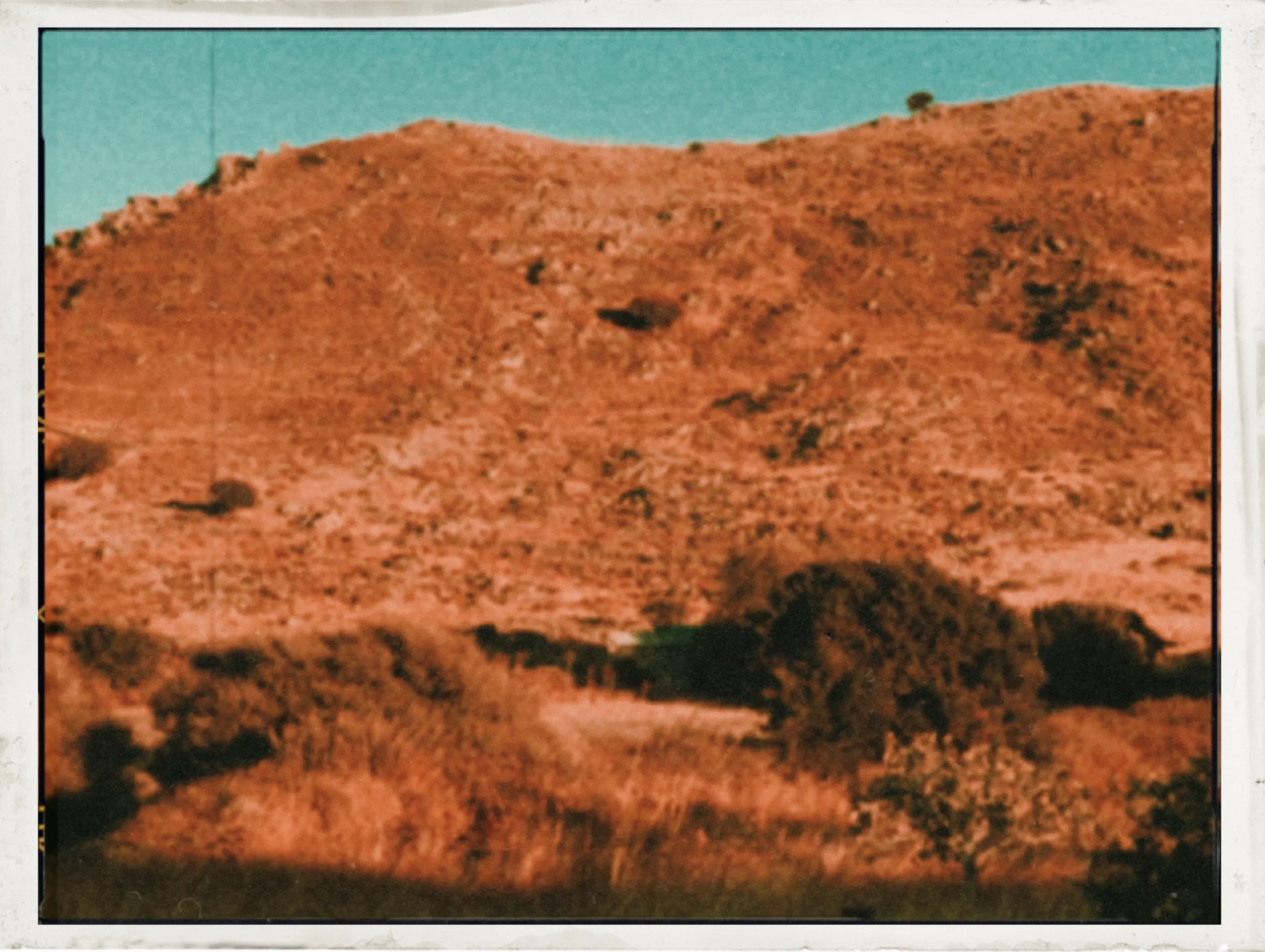
Skala Eressos was surrounded by mountains and the Aegean Sea. As we walked past bars and restaurants along the seaside, I spotted lesbians in the mix of Greek tourists. They stood out like pink dots in a white field. To me, they seemed to exist with delight and confidence. Some of them had a hippie vibe, but most were on the butch side, and looked as if they walked with armour.
Fast forward to September 2024. It was the Skala Eressos International Women's Festival. I was sitting in the same bar I hade done nine years ago. This time I was talking to some English women and brought up the quote. ”No, it’s not true," said one of them. ”Lesbian places are not at all like McDonald’s,” said another one. ”They can be very different depending on where you go,” she continued. This was the first time in nine years that someone protested.
That quote is part of the reason why I travel on The Pink Road. I wanted to figure out where lesbians spend their time and how they socialise. I wanted to know how they organise their lives as a minority in a heterosexual society. It took me some time before I saw similarities where I did not expect to find them. Let’s talk about Berlin and Skala Eressos. At first it does not make sense to compare them, but bear with me. I suspect they might be the twin sisters who never met.
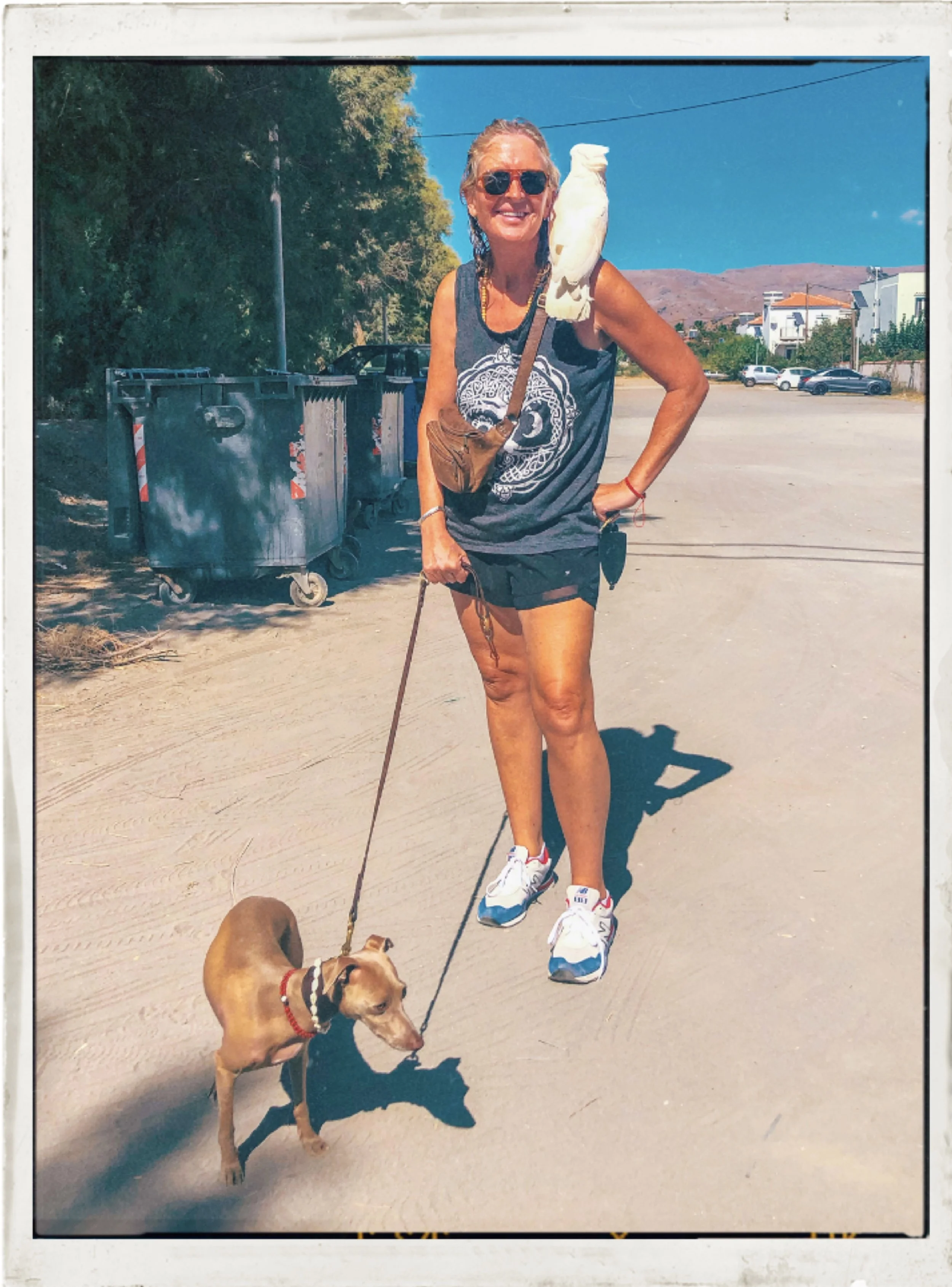
I should come clean. I have never spent more than two weeks at a time in either of the two places. The only thing that binds them together is my love for both.
In my experience, the lesbian/queer scene in Berlin is artsy, political and has a lot of attitude. Berliners look gorgeous in the way they dress and express themselves with hair and make-up. It’s creative. There is no limit. If you try something new, most people have probably seen it before. The word lesbian is not being used a lot. In fact, it’s considered conservative as if you just look at genitals. The word queer is the term to use.
Berlin has a rich history of lesbian bars dating way back. The city had plenty in the '20s, '30s and '80s. Today, all gone. Instead FLINTA nights have entered the scene. The most famous is Tuesdays at Möbel Olfe. It is Berlin's most exciting room. It’s electric. If you ever visit Berlin make sure you go, but don't go alone. You need a circle of friends. You can’t go up to anyone and think they are going to welcome you. If you do, it's at your own risk.
Berlin is still a minefield. People are tense, rude and anxious. That aside, lesbians have a pretty good deal. I am not sure they know how good.
What hit me hard was the fact that I could live in my queer bubble 24/7. It did something to my system to have access to bookshops, cafés, bars and restaurants all run by queers for queers. It’s embarrassing to admit, but the whole thing made me visible in a way I could not foresee. Like a never-ending disco spa for lesbians.
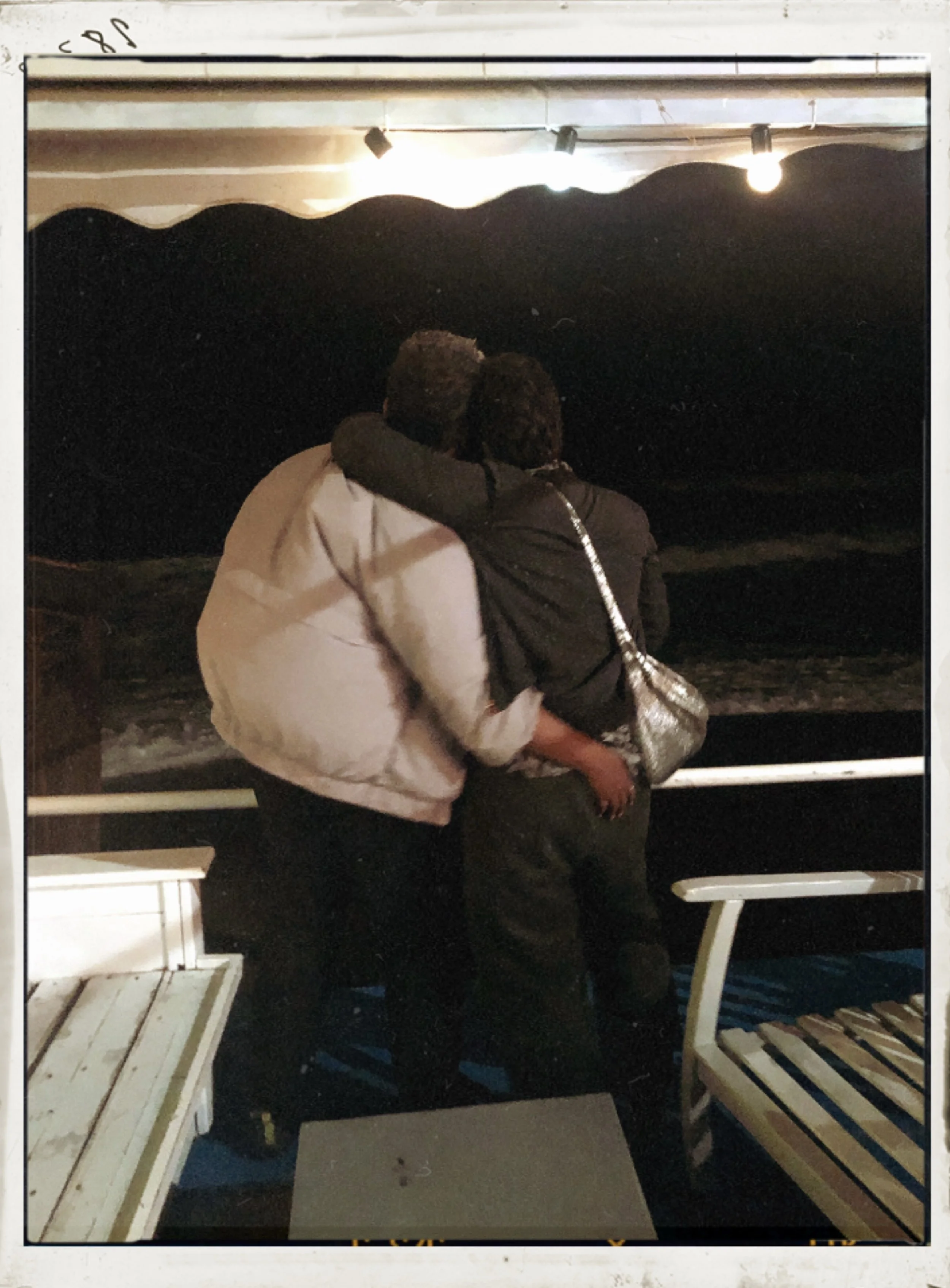
Cut to Skala Eressos, a small fishing village on the island of Lesbos in Greece. You walk through the village in ten minutes: three grocery shops and one vegetable shop. During the season, there are five lesbian- or queer-owned bars and restaurants: Passioni, Flamingo, Avatar, Ohana Ranch and Hara Beach Bar.
Other businesses that are run or started by lesbians are: Rock-Ink, QITA, Sappho Travel, Sappho Estate, Sappho Palace and the Ohana Collective. Add two festivals a year for lesbians and queers, and you get a unique environment for the lesbian global community.
The queer festival arranged by the Ohana Collective in May attracts a younger crowd, with DJs playing electronic music. The International Eressos Women's Festival is ten days of "mainstream music" partying and workshops.
This is what the program looks like for one day: ”Trips to Sigri & Nissiopi Islet, Capturing Place Writers Workshop, Liota Walk, Self-Defense class, Exploring Self-Love Through Cacao Agapi, Skala Solo Travelers, International Connection, How to be brilliant, Vienna Yoga, Plant-Based Food Tasting, Greek Love and Ecstatic Dances, Sound Bath Heaven, Around Vigla Hill.”
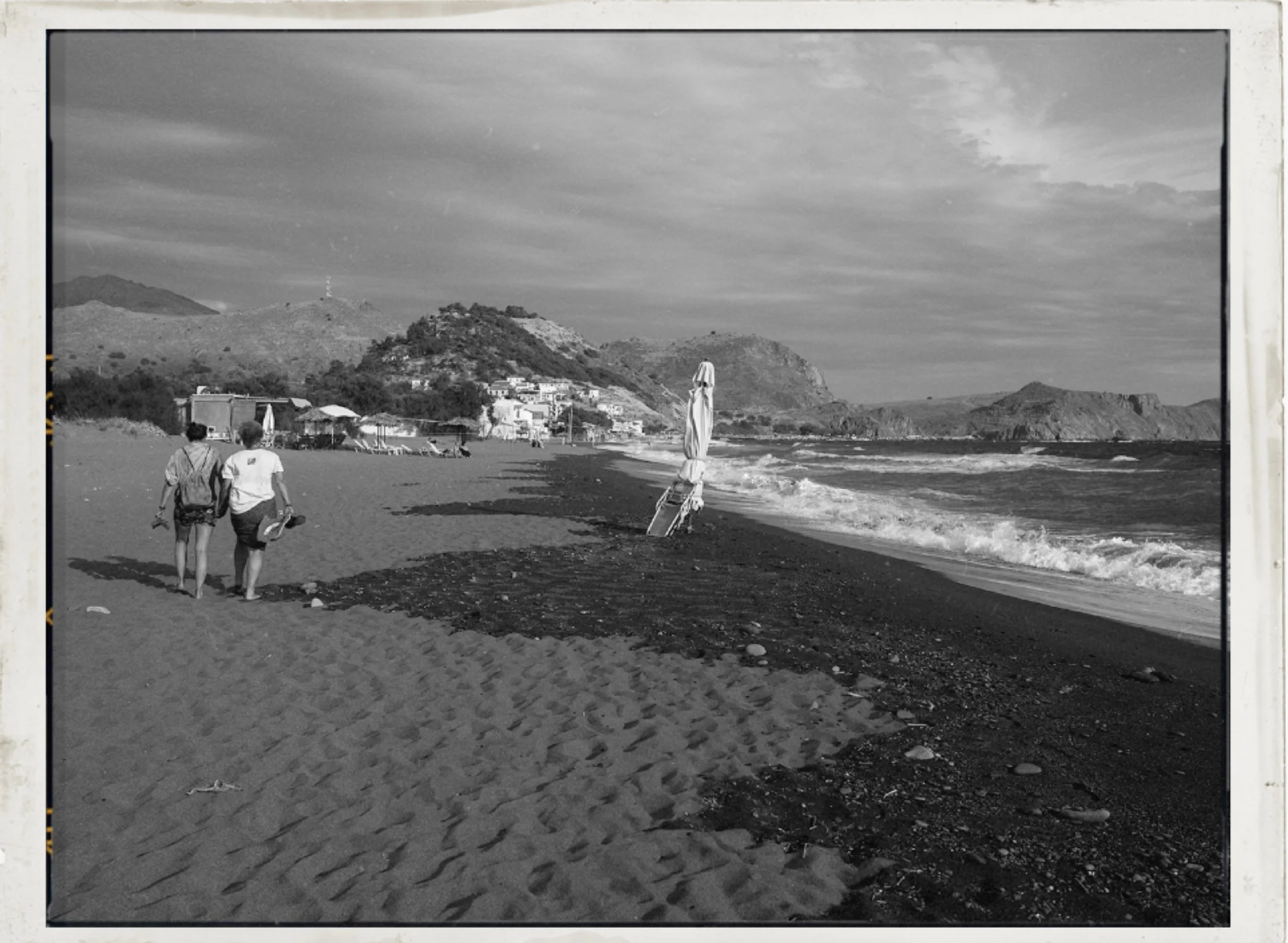
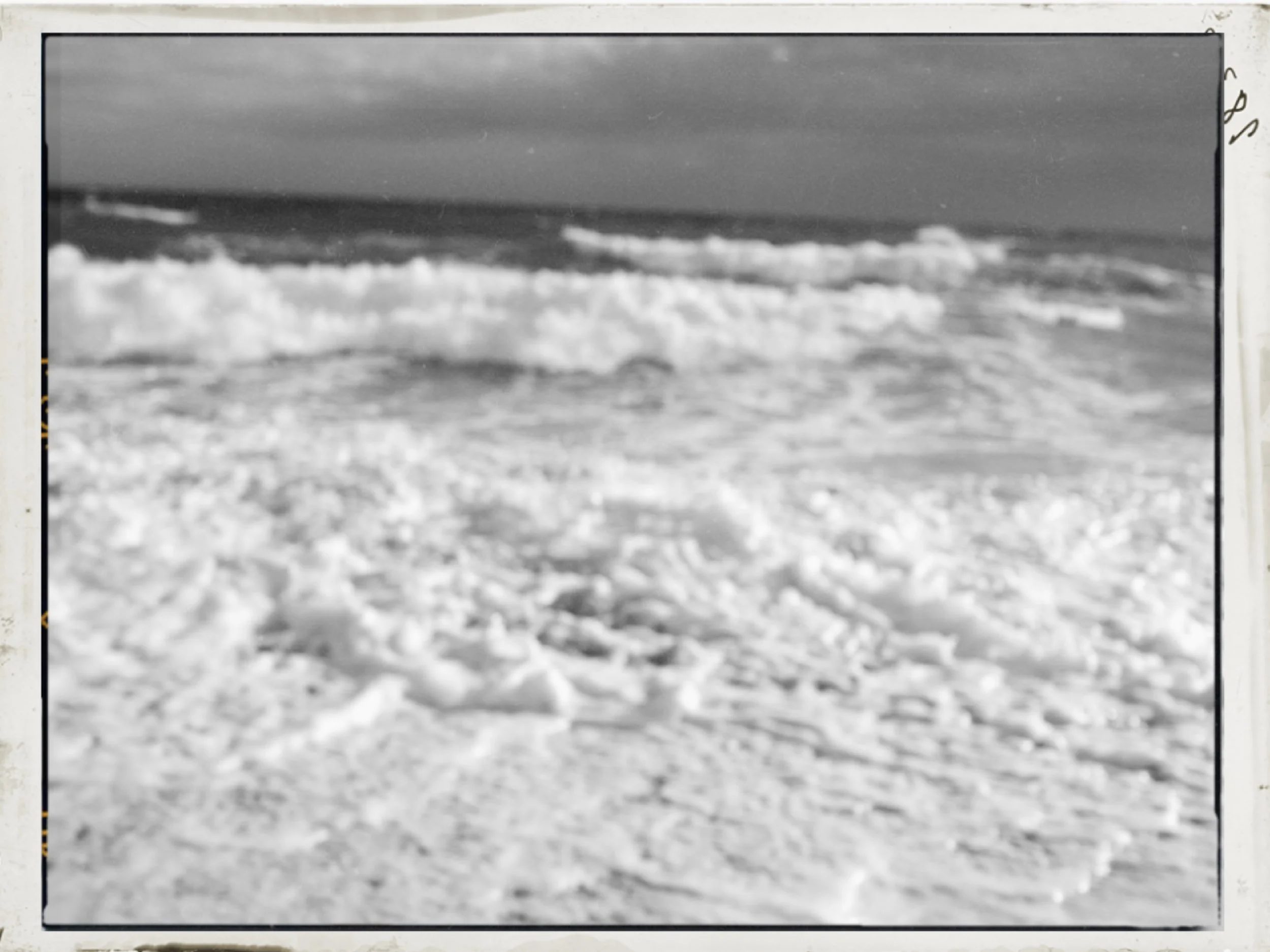
The festival in September is designed for interactions and connections. People meet up in more ways than over a glass of wine. In Berlin’s queer scene, being over 35 makes you old. In Skala Eressos, being under 50 makes you young.
If Berlin is the one that woke you up, Skala Eressos sees your scars, hugs you and puts on a patch. If Berlin has attitude and anxiety, Skala Eressos has harmony and healing. If Berlin has sex, Skala Eressos has lovemaking. If Berlin has a real catwalk showing off fashion from the coolest designers in the business, Skala Eressos has an alternative fashion show to collect money for stray cats and dogs.
Berlin has Audre Lorde. Skala Eressos has Sappho. According to legend, Sappho was born in Skala Eressos around 617-612 BC. She wrote poems about love and desire between women. The English words "sapphic" and "lesbian" derive from her name and her home island, Lesbos.
The first lesbians, arrived in the 1970s, wanted to walk in her footsteps. Lesbos is the only place on earth where the citizens are called lesbians. In the beginning, the locals (both men and women) were upset because they were also called lesbians, since they lived on Lesbos.
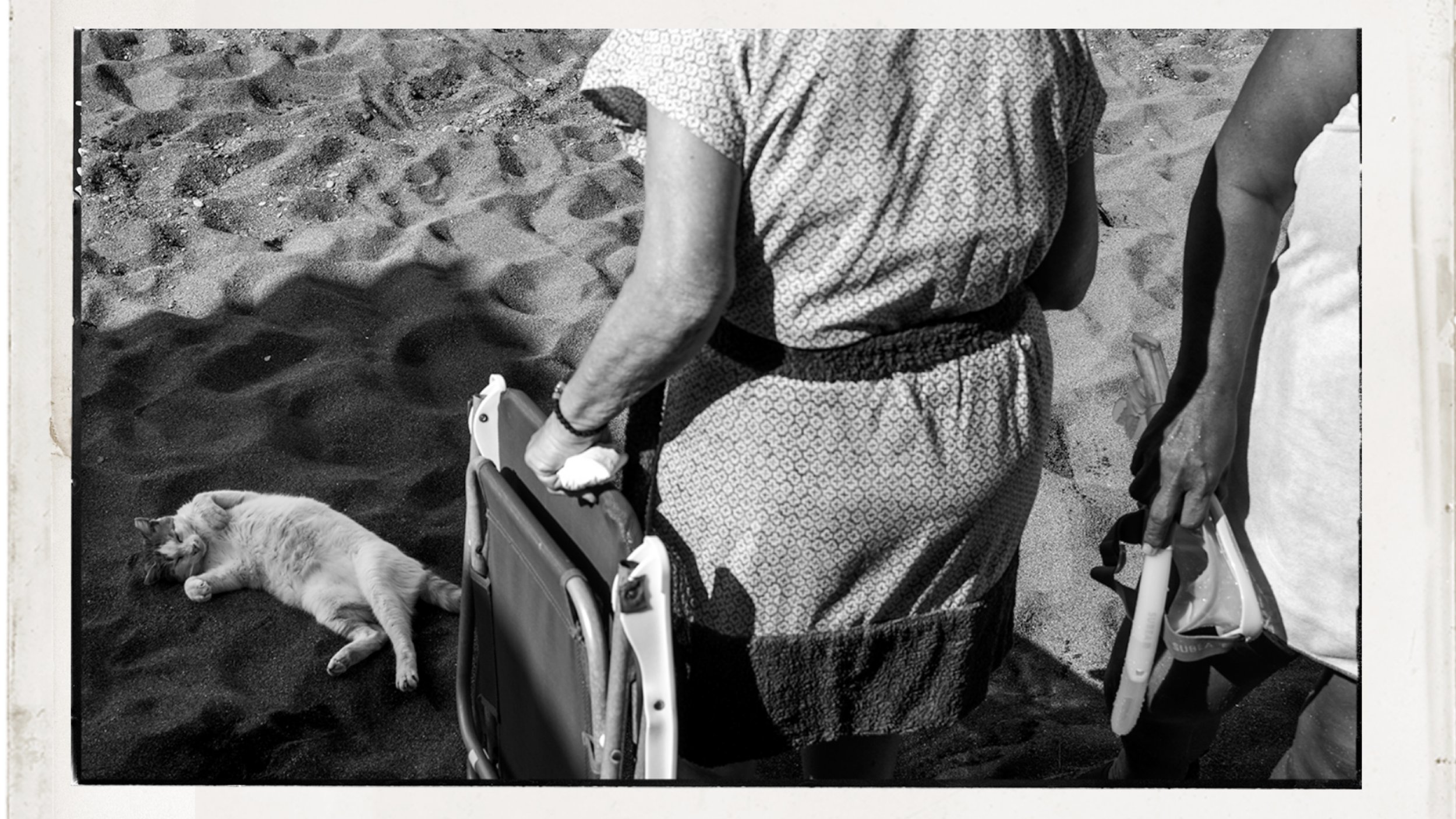
One local woman suggested that lesbians should call themselves homosexuals. That did not go down well. However, today lesbians have bought a lot of land in the surrounding area, and more than 50 of them stay through the winter season.
Lesbians are famous for living on a tight budget. They don’t have the same cash flow as gay men. It’s logical if you look at how the world in general works: women are paid less compared to men doing the exact same work.
We know that from statistics. Bring lesbians and gay men into the equation and the contrasts and inequality get really visible. This is normally used as an explanation for why lesbians have so few bars and clubs compared to the male gay community.
That's why Skala Eressos is so radically unique. Lesbians play a leading role in the village's economy. The locals told me that without the lesbians, they would face financial problems.
And when you think the story of Skala Eressos can't get any more exciting: a few miles away, modern amazons have bought a plot of land for wellness courses called Amazones Eco Land.
Berlin and Skala Eressos offer 24/7 access to a large lesbian world, and both places have a history of attracting queers. Being in Berlin or Skala Eressos is like getting an injection of vital lesbian vitamins straight to your vein.
They are also two very international places. Women comes from all over the world to take part of the scene. In both places you can feel the sweetness of being a majority. It makes you walk with a better posture.
I wish we could start an exchange program so the queers in Berlin can visit Skala Eressos and the lesbians in Skala Eressos can visit Berlin. I think our global community desperately needs both sisters by their side.