PORTRAITS &
CONVERSATIONS
In the art of living, we are all amateurs facing the unknown. Amateur comes from the Latin word amare, meaning to love. Each portrait and conversation is a small light passed from one hand to another.
All texts and photos © Gry Ellebjerg

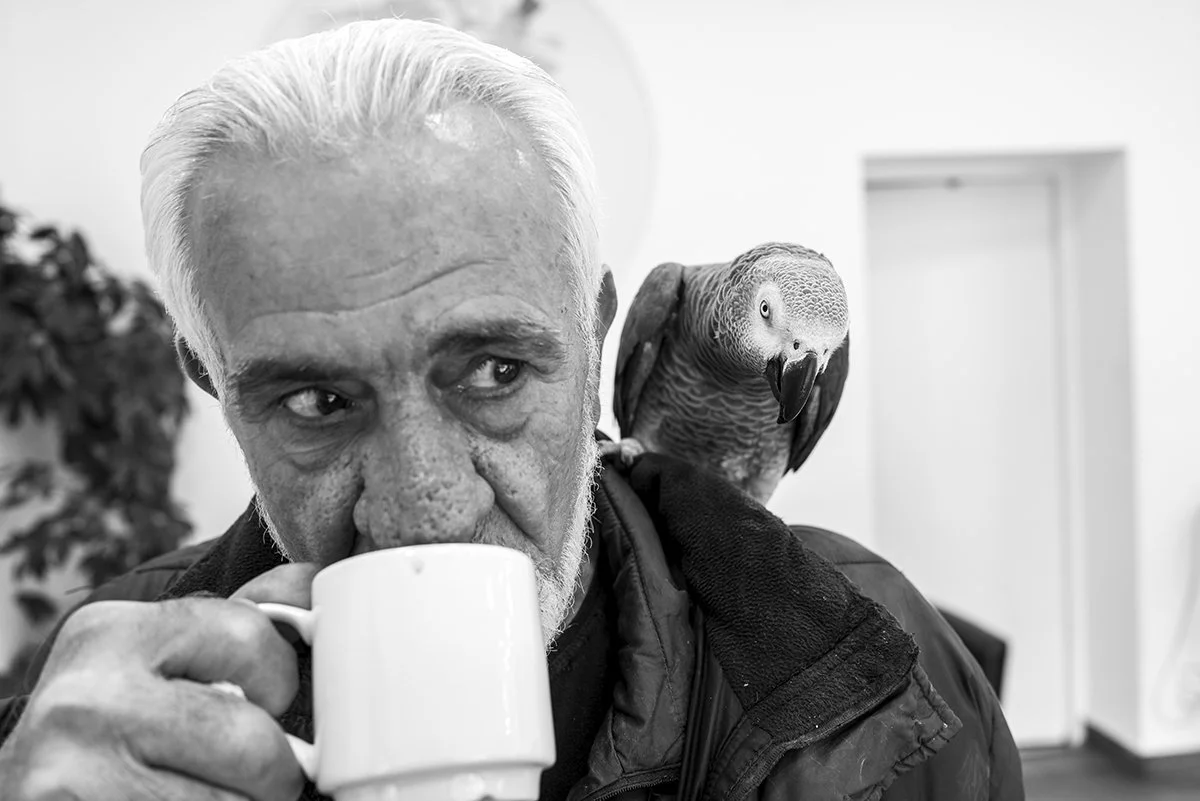
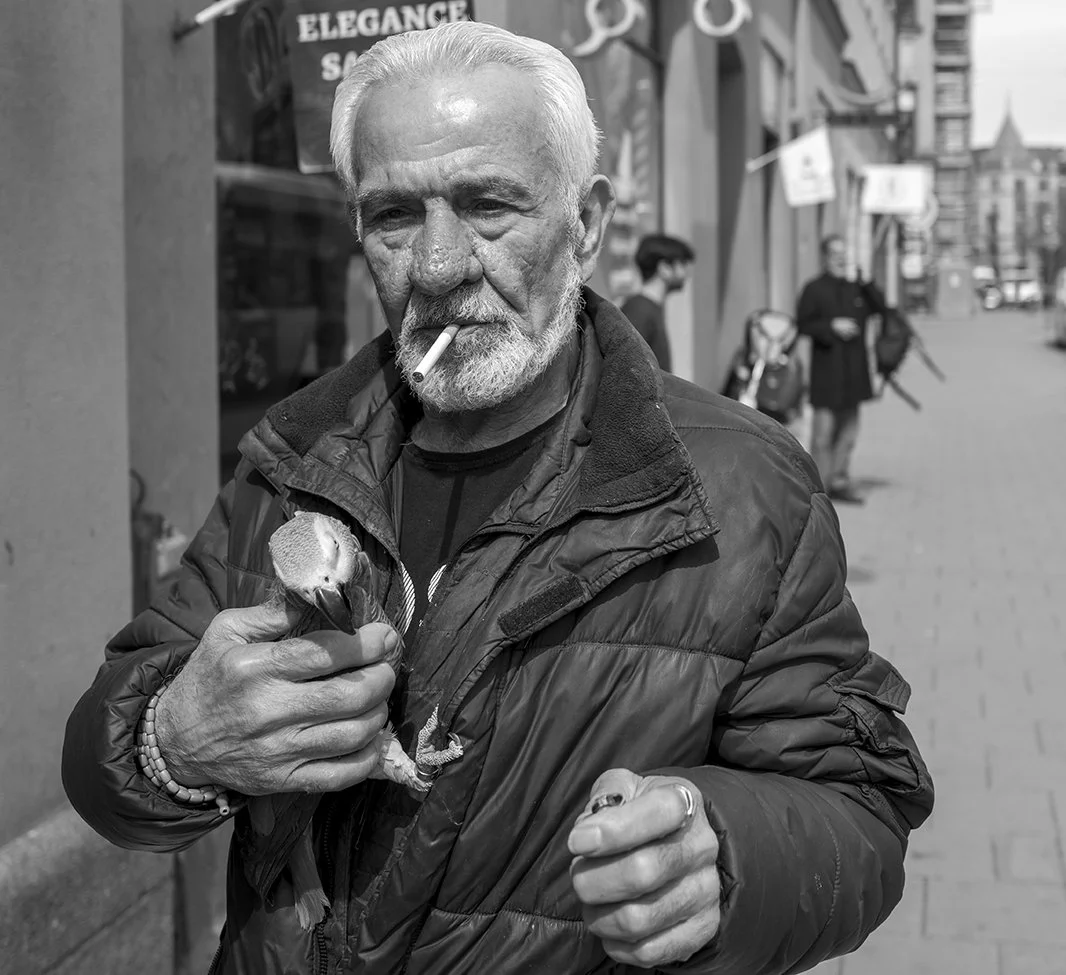
MOUHAMED SOULEIMAN
On The Parrot Who Became a Son
”One day my son came to visit. He had brought many boxes in different sizes. In one of them was a parrot. My immediate reaction was that I didn't want him. "Take the bird with you when you leave." My son insisted: "He's yours. If you don't want him, you can sell him." I wanted neither money nor a bird. After much back and forth, my son started to assemble the cage.
I was living alone and I wasn't doing well. I had many problems. I still struggle.
In 1982, I was living in Lebanon. One day, I was going to drive and buy coffee. I started the car. My two-year-old son was sitting beside me. I had barely driven a meter when the car exploded. I managed to get both myself and my son out. He had burns all over his body. I got a concussion. To this day, I have severe tinnitus. I live with constant pain. The doctors say there is nothing they can do. It will never go away.
My bird, Asfor, gets sad when he sees me sad. It's as if he feels what I feel. I have five sons and one daughter. Asfor has become like a son to me. He is better than my other children because he listens to me. The other children don't listen (laughs).
I've had him for eight years. During those years, I have tried to adapt to his needs. I used to be home very rarely, but since Asfor has to eat every five hours, I spend more time at home now than I used to. Ever since he was little, he has come outside with me. He sits on my shoulder, inside my jacket. We usually walk around the shops inside Triangeln. At home, the cage is always open. Asfor must be able to breathe and feel free. If he's trapped in a cage, he's like an imprisoned person, and you can't have that. You can't treat him like that.
When he was little and not so tame, he used to wear me out. Now that he's tame, he has become a friend. We have a strong partnership. When I'm with him, I feel better mentally. I am very glad I kept him. I can't imagine a life without him. Asfor means 'bird' in Lebanese. It's not very creative, but it's what I call him.”

SUSANNE SPERNEDER
On What Dying People Say
"I work with patients who are at the end of life. I have a fantastic job. In the midst of all the sorrow, there is a lot of joy. You might not think so. Of course, there are many difficult moments. We meet families and individuals in great grief. We know that our patients have a short time left. But in the midst of all that, there is an incredible amount of life and joy.
I become more alive in my own life by being in death's waiting room. It gives me perspective. I am reminded of what is important and that I have a choice. All dying patients testify to the same thing. They say that we should cherish our relationships. All the material things, all the superficial things that many of us chase, are not essential. In the end, it's all about relationships.
Many middle-aged men, in particular, testify to this. They express a sorrow over having worked their lives away. They may have had a career, lived fast without reflecting. They have chased material things and riches, and then it all ends. And there they lie. I know several who have said: 'What was the point of all that? Why did I think I was happy in that life?' If we strip everything away—what is left?
I have come to the conclusion that it's about being grateful for what you have. To be grateful that you're healthy and how important it is to take care of yourself. It's about nurturing your relationships with loved ones. Every evening before I go to sleep, I do a gratitude exercise. I think about what I've experienced during the day that I can learn from. What do I have to look forward to tomorrow? When I wake up, I try to direct my energy in a positive direction. It's possible to mentally influence how my day will turn out.
I think people, in general, are afraid to look inward, and so we focus outward. That's why I believe death is vital to life. We need death to balance us. We would become completely unbearable otherwise.”

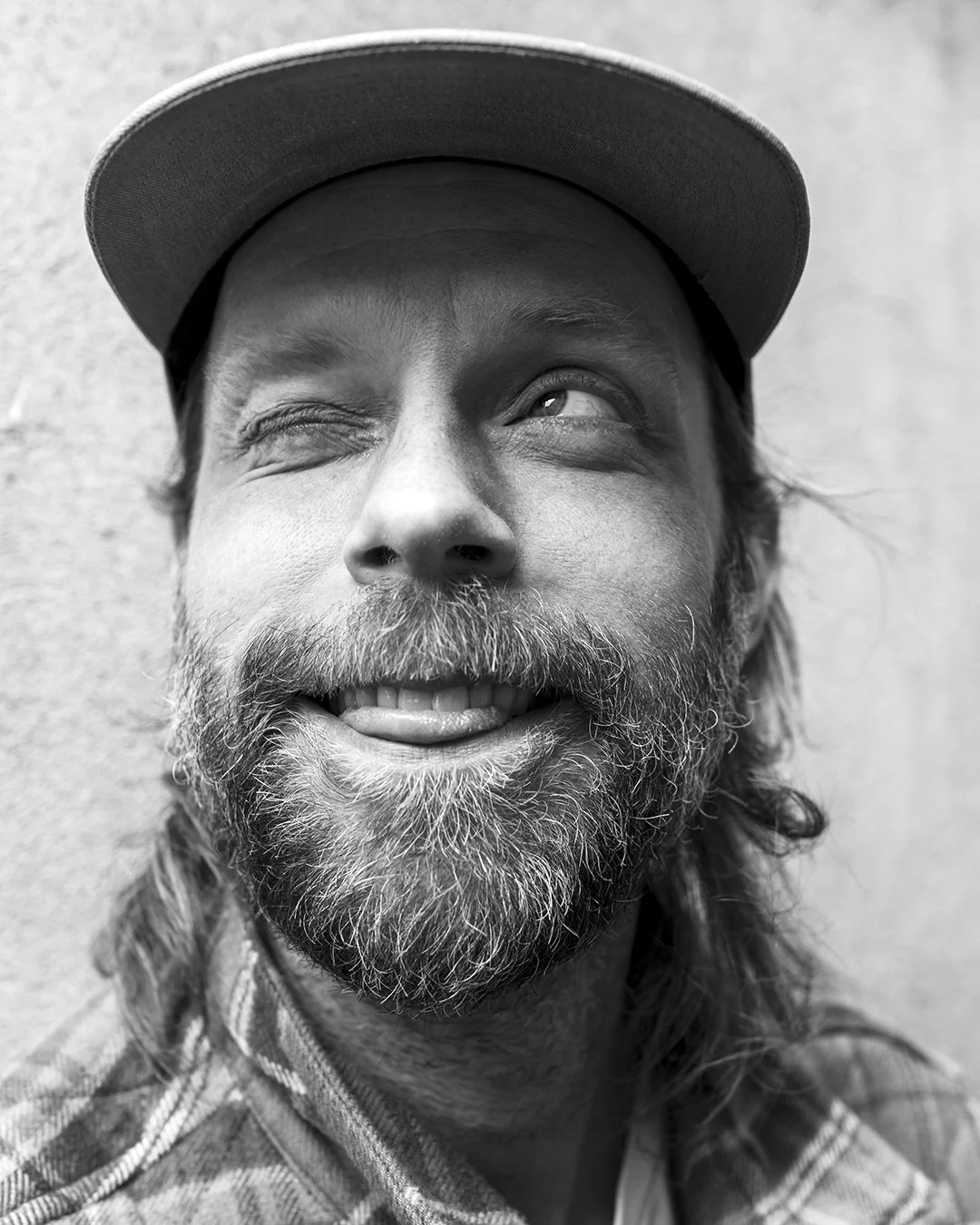
RASMUS OTTOSEN
On The Importance Of Biking
"There are people who play table tennis, collect stamps, or go to beauty shows with their hamster. My thing is cargo bikes. People think I'm obsessed. They think I'm a disturbed nerd. When I'm biking, I feel joy, happiness, and energy. I connect with nature, become present, and feel free. When I bike, I create my own rhythm. I become my own boss. But it took a few years before I got hooked.
I got my first cargo bike when our first child came into the world. It was a practical decision. We didn't have a car and thought a cargo bike was a good alternative. In the beginning, it was mostly about getting out with the kids and getting them to move. It wasn't until I separated that I realized what biking was really about. At that time, I was in a bad state and needed to find something that made me happy. I tried different things. Cooking, working out, and a previous hobby involving wine. Around the same time, I came across a book by a well-known media guy. He talked about the importance of finding something you're passionate about and going all-in on it. That's when it hit me that I was riding a cargo bike every day and it made me happy. That's I realized biking wasn't just a means of transportation. It calmed my heart, soul, and mind.
I was interested in the whole emerging industry around cargo bikes. I believed in the function of the cargo bike in society. I decided to go all-in and started a video blog about everyday life with the cargo bike. Thanks to starting to act on my passion and my drive, I have created new opportunities for myself. I’m getting to meet fantastic people who share my interest. At the beginning of May, there was a big trade fair in Germany where I was invited with my accommodation paid for. In the end, my passion for cargo bikes has helped me understand that I have to take responsibility for my life. If you don't hold yourself responsible for your life situation, you won't get anywhere."
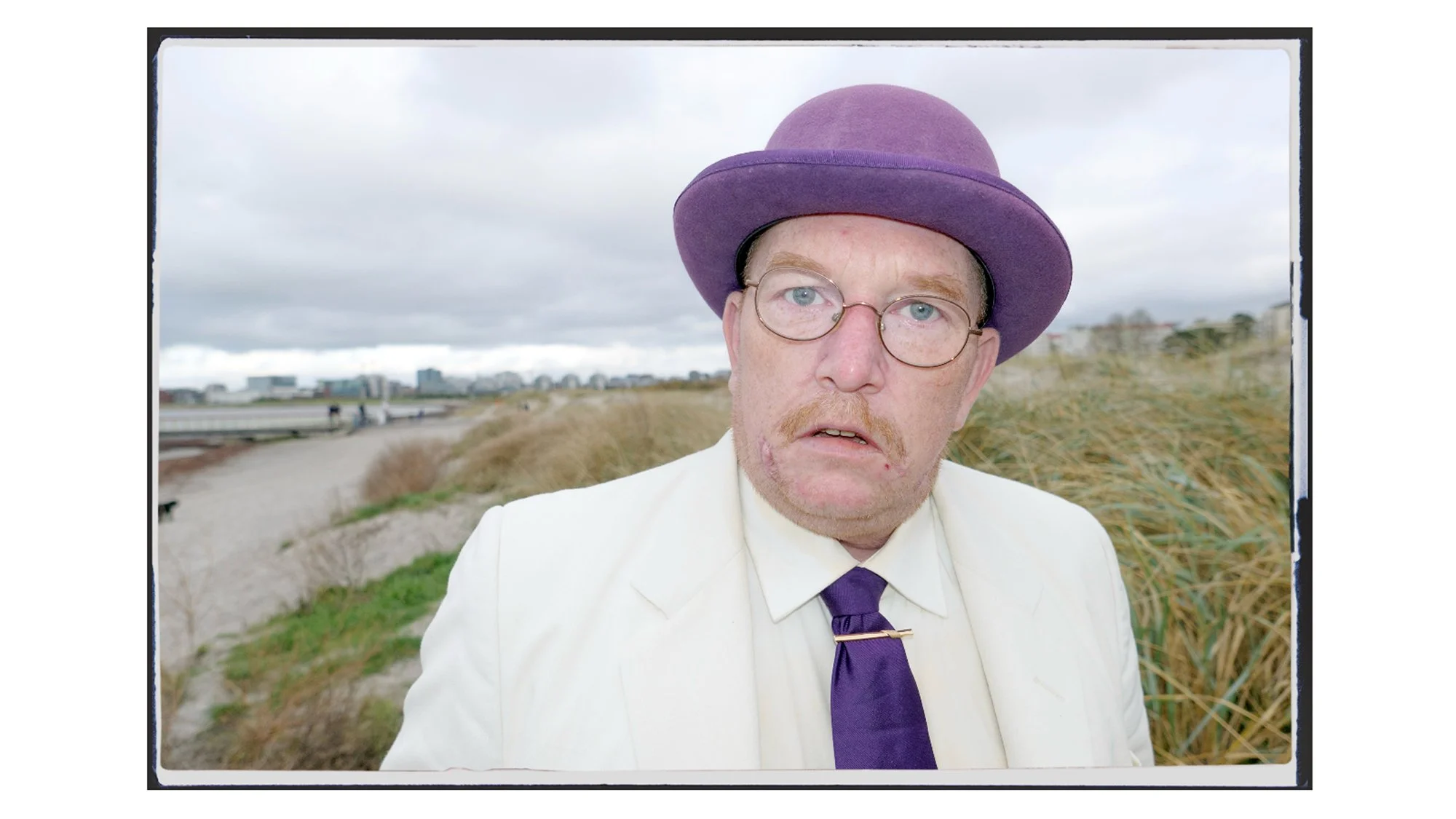
“I was going to be the godfather to my brother’s first son. I never used to wear suits, but for that occasion, I bought one. It was supposed to be a black suit, but when I tried on a pinstripe, I immediately felt: this is the one. When I looked in the mirror, I thought: Damn, I can go with this. You don’t need a high-budget job to wear a suit. It’s not only the rich and flashy who dress in style. After the baptism, I wanted to make a change in my life. That was 17 years ago, and since then, I’ve worn a suit pretty much every day.”
MATHIAS EKDAHL
On Why Suits Keep You on the Right Track
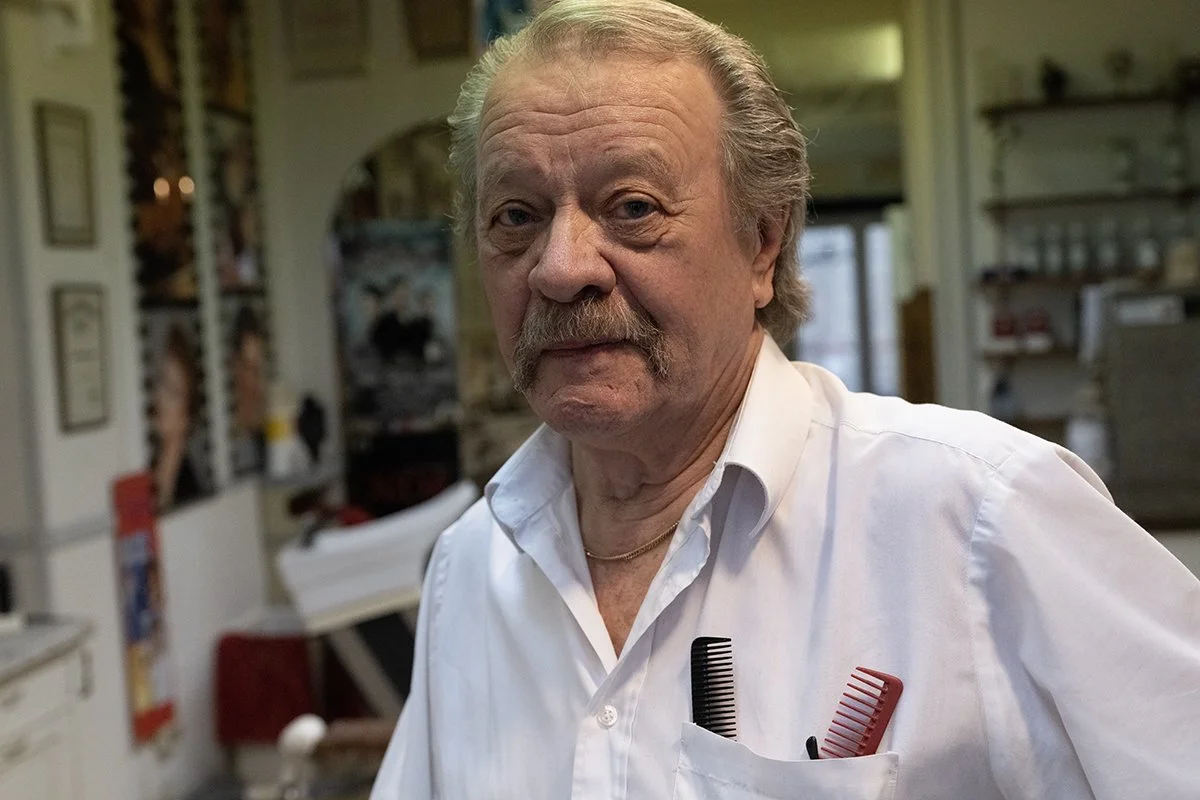
SVEN WIDNÉR’S BARBER SHOP & HAIR SALON
On Refusing To Retire
“I enjoy the encounters with my customers. We talk about all sorts of things. People don't open up as much as they used to. I've seen a lot of tragedies. Not so much with the male customers. They aren't as open. Women are. Most of the time, I listen, trying to guide them onto the right path. I don't go too deep into it. 'Nothing lasts forever,' I say, even if we sometimes think it does. A lot of people treat each other terribly. I see it when they come in. Women wearing sunglasses. I tell them I understand what's happened. If they want to talk, it's up to them. That's the relationship I have with the customers in the chair. Outside the chair, I don't have one. I've learned to separate the two. I'm 81 years old. I have a large farm. If I'm sitting up there by myself, who am I going to talk to? It wouldn't be long before I was finished. The salon has become the glue of my life. Retire? I might as well die. I will probably die with scissors in my hand.”
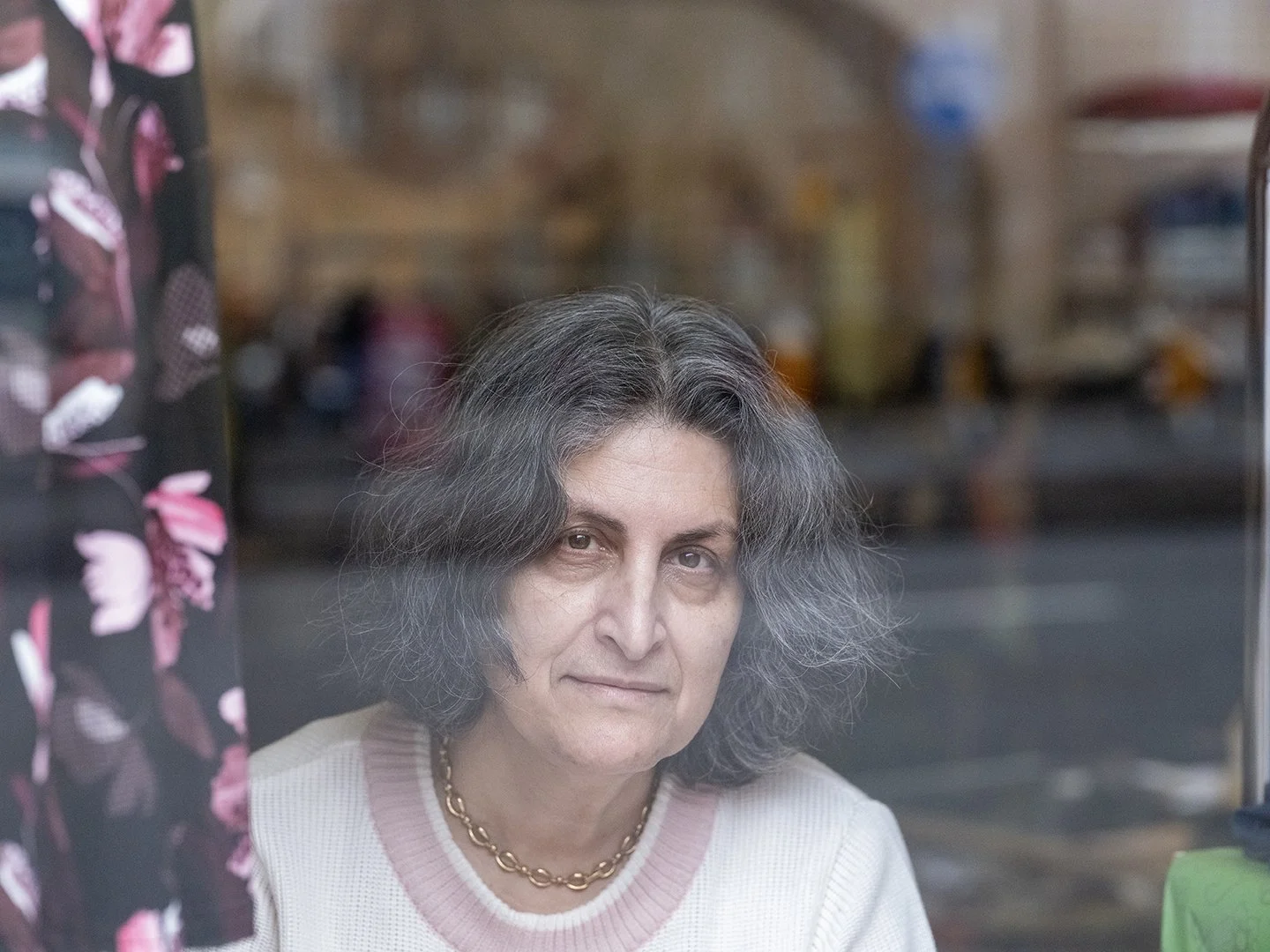
FARAHROZ RANGBAR: MARIANNE ATELIER & TAILOR SHOP
On Never Giving Up
”When I took over the shop there was a rumor that a Frenchwoman or Italian had opened. The customers were curious. Asked what country I came from. Iran. Then they wanted to know what was going on in Iran. They were genuinely interested and took the time to listen. The best thing about having a shop is the meeting people. Where would I have met all these people otherwise? Even today the political conversation is dominant in the shop. I remember when the Iranian lawyer Shirin Ebadi received the Nobel Peace Prize. They came with flowers. They thought that the prize didn't only belong to her. I once had an intern who lived right across the street. In the evenings she could see when we had our meetings and said with surprise: ’I didn't know that my boss was a rebel.’ I usually say: I didn't flee from Iran to be silent.”
More Features
EUROPE Here are the Lesbians! From south to north, east to west. This is The Deluxe Queer Guide of essential sapphic life: film, music, art, bars, bookshops, clubs and festivals.