
COPENHAGEN, DENMARK
TUESDAY, FEBRUARY TWENTIETH
THREE FORTY-ONE P.M.
HEDDA BAUER, B. 1990
Artist
Just now, looking at myself in the mirror in the bathroom, I think I want my hair like Mozart's. I want to run around the way he did in the movie. What if I mix Mozart with Gertrude Stein and Judith Butler? I can jump through time and create new spaces. It's a bit Orlando. I think about all those who inspired me. Virginia Woolf must have lived in the exact same fluid feeling. She would have fit in just as well here as she did back then. Mozart, Stein, Butler, Woolf created timeless bubbles. It’s life-affirming.
The Swedish right-wing party, Sverigedemokraterna, was growing in the rural south where I lived, and that created constant conflict at my school. There was a warlike atmosphere between people from the countryside and the city. It was a homophobic environment. There was one lesbian. She was bullied. If I compare it to my friends who grew up in the big cities, I see how open their upbringing was. They lived in Stockholm, where youth centres and a completely different level of knowledge about same-sex relationships existed. There should be a law that every summer a queer teenager from the city goes out to the country and vice versa. I'm happy about the new generation. Today there are so many lesbians who just don't give a damn. They just do their thing.
Historically and even to this day in some countries, it’s dangerous to be gay. It can be a matter of life and death. At the same time, there are societies where it’s almost put on a pedestal. Look how liberated we are! There's also the psychological aspect. LGBTQ+ people are overrepresented among those who take their own lives and struggle mentally. I have dealt with that a lot. Lived in the middle of it with friends and partners. We've been told since we were children that it’s a slur. I had a period when I was angry at my parents. They are really pro-LGBTQ+. They had friends who were lesbians, but they never spoke about it. They never said it. "Hedda, it's okay if you have a girlfriend." They never put it into words. I've learned that you actually have to say it out loud.
My best friend and I went through a metamorphosis when we came out. We met at this art school in Stockholm. I think we found each other that very first week. She had a boyfriend. I’d had one back in high school. We discovered a world that was all about expressing yourself. Clothes, hats, costumes, every night was a performance. We were racing. I remember we shouted: "There are no genders! There are no genders!" Then we moved to Gothenburg. We started the tailoring and fashion programme there, got pulled into the theatre world. We went out every night and felt an energy that was something I had never experienced before. It was an attraction, a pulse, a desire. The conversations were deep. It was very important to be in our queer community. There was this family feeling to it. Everyone took care of everyone.
There was a lot of physical touch. People touched each other in a completely different way in this lesbian slash queer space. I had always been viewed as a "cinnamon bun mom" or a "caretaker". In middle and high school, I was a safe space where you could cuddle, have a nice time, and cozy up with coffee. I sat at the café all through high school drinking coffee. I lost that role afterward. Then you have to become an adult, take care of yourself, and find yourself. I exchanged the café for brunch. I hosted it every Saturday up on our roof terrace. People came over, with dogs and children too. Someone brought a friend who brought another friend. There was a lot of skinny dipping. The expressions, the body language. The way you dress, move, speak, and joke. The humor. You develop a lingo that can be snappy, twisting and turning things. You didn't question it much; it was here and now. It was very affirming. It was a big crisis when it collapsed.
At that time, Feminist Initiative in Sweden was huge. I was part of that movement, and also active in Lesbian Power (Lesbisk Makt). Lesbian Power and feminism were big on claiming space in the city. The spaces could be in public squares. We would set something up, have coffee together, talk. There was even a map of lesbian places in Gothenburg. I borrowed my dad's car for a whole summer and drove lesbian punk bands around to support the movement. In a way, I found a family that I hadn't had before. I grew up as an only child, since my siblings were so much older.
As an artist, I live my life in a queer bubble. Every night when my friends and I go out, we have a queer takeover. There are many private places, but you need to know someone to get in. I have invited people I met on the streets. I learned the hard way that I need to be careful. Being in a queer community, you have to know the codes and protect the space. If a new person who doesn't understand the codes joins and starts to question what takes place, that energy easily destroys the mood. It can even be dangerous. I experienced that a while ago when a friend invited someone thinking it would work out. It turned out very violent and unpleasant.
I move around a lot. In every new place, I try to find a queer context. Historically, this is what queer people have done. Living in the artistic bubble is one thing. Going to Lesbisk Fredag in Copenhagen and enjoying the organised queer space is another. I had forgotten I need it so much. I need to feel we're all okay with being queer, that we all fight the same battles. I feel welcome and safe, and I can talk about different things. You have to dare to be a little separatist. Dare to say: ”I can't take in everyone right now”, because that's what I've been doing for many years. I have been inviting people in and offering a shoulder to lean on. It's hard to see beyond the bubble. I notice it when I meet people fangirling at me: ”Wow, you live this way. You dare to say what you mean. You're so cool!” I'm like, what? I'm just me. Sometimes I get irritated because I'm just like them. But maybe I'm the only non-binary person they know. I become a symbol for that.
This year I've expressed myself in a new way in my art, which is very queer. I dare to say things that may not follow the traditional artistic language. I am using a more everyday, intimate, and personal language. It's exciting. It has taken a while for me to reach this point. I have been afraid of the art world. It's incredibly white, conservative, and full of men.
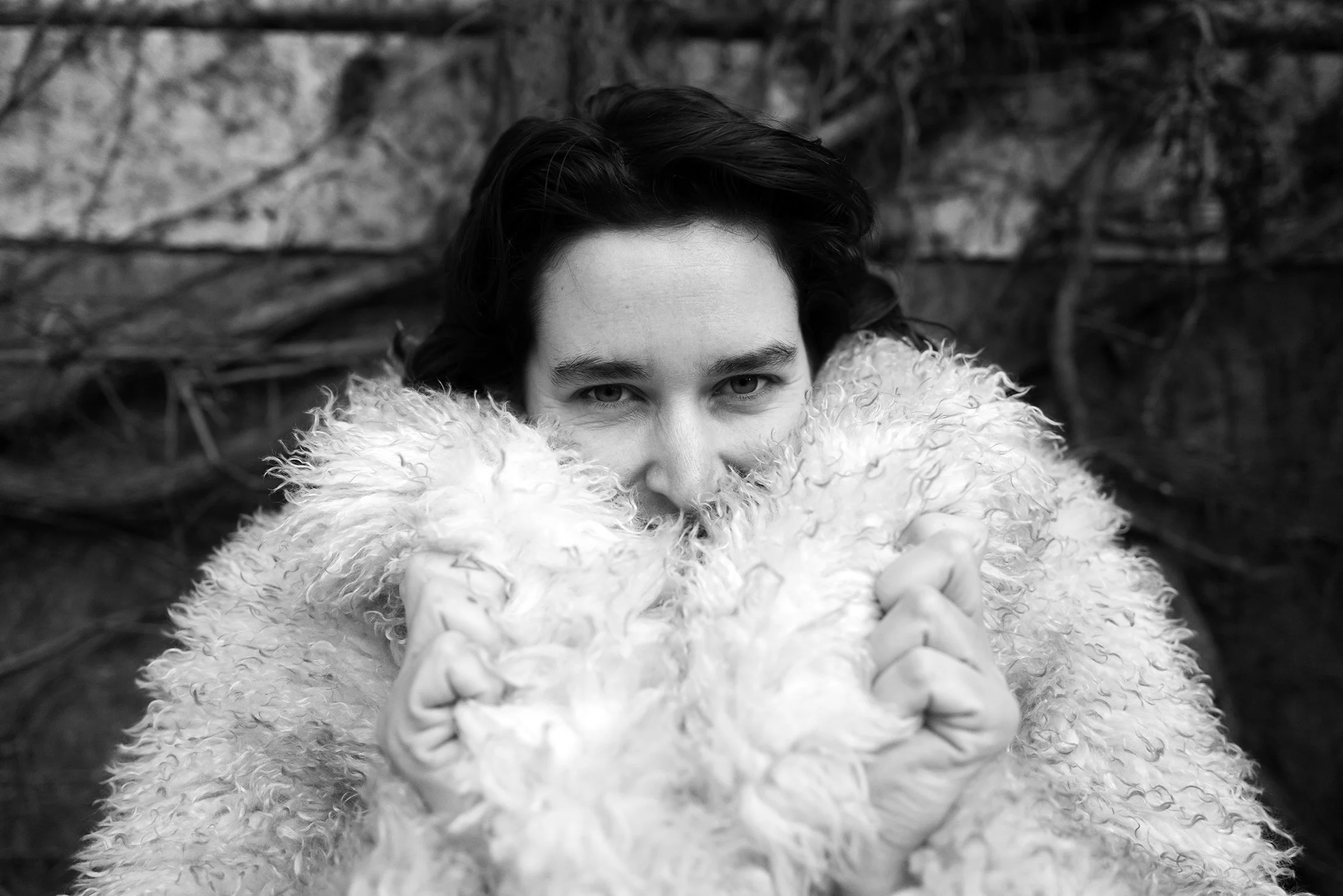
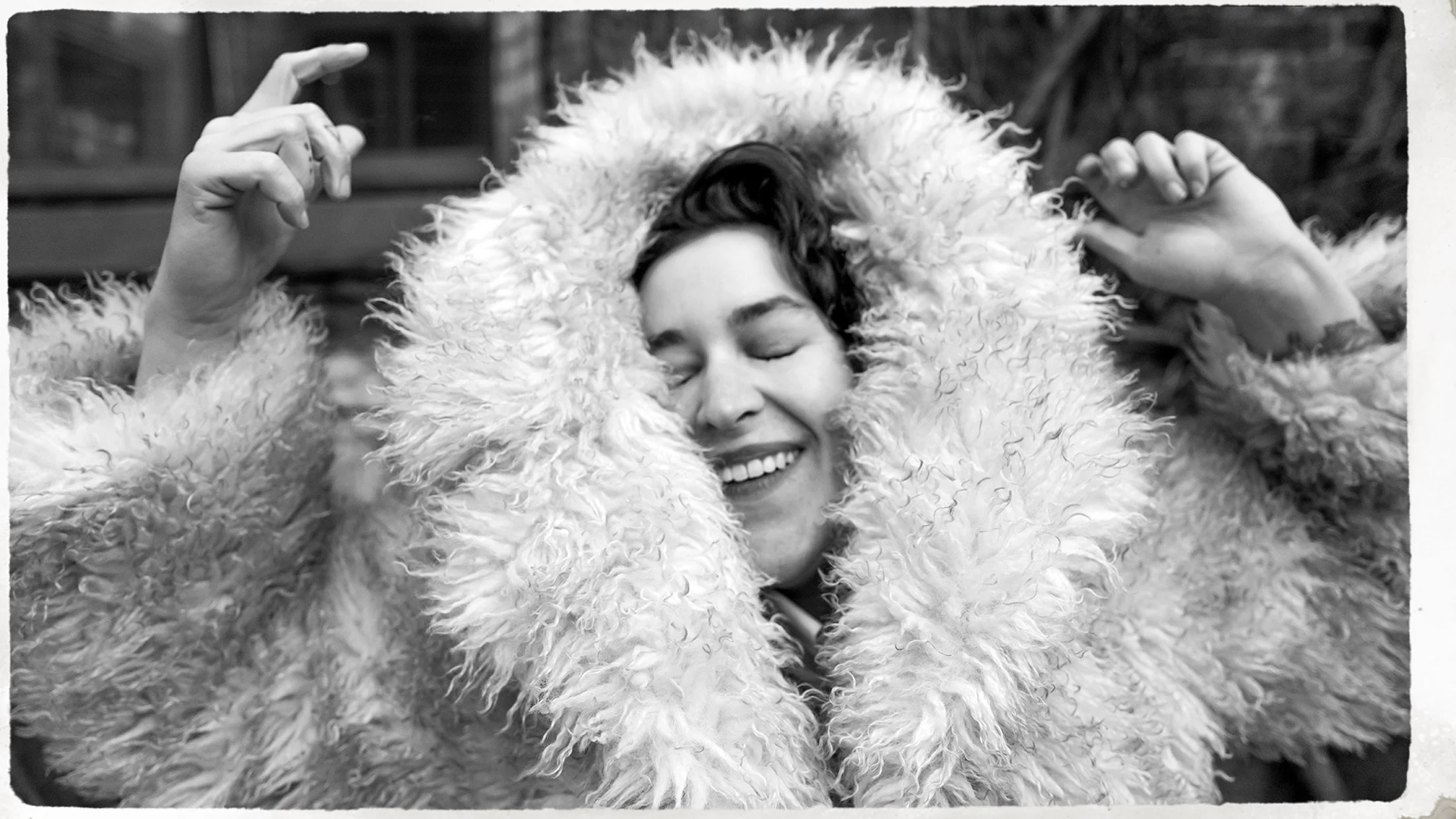
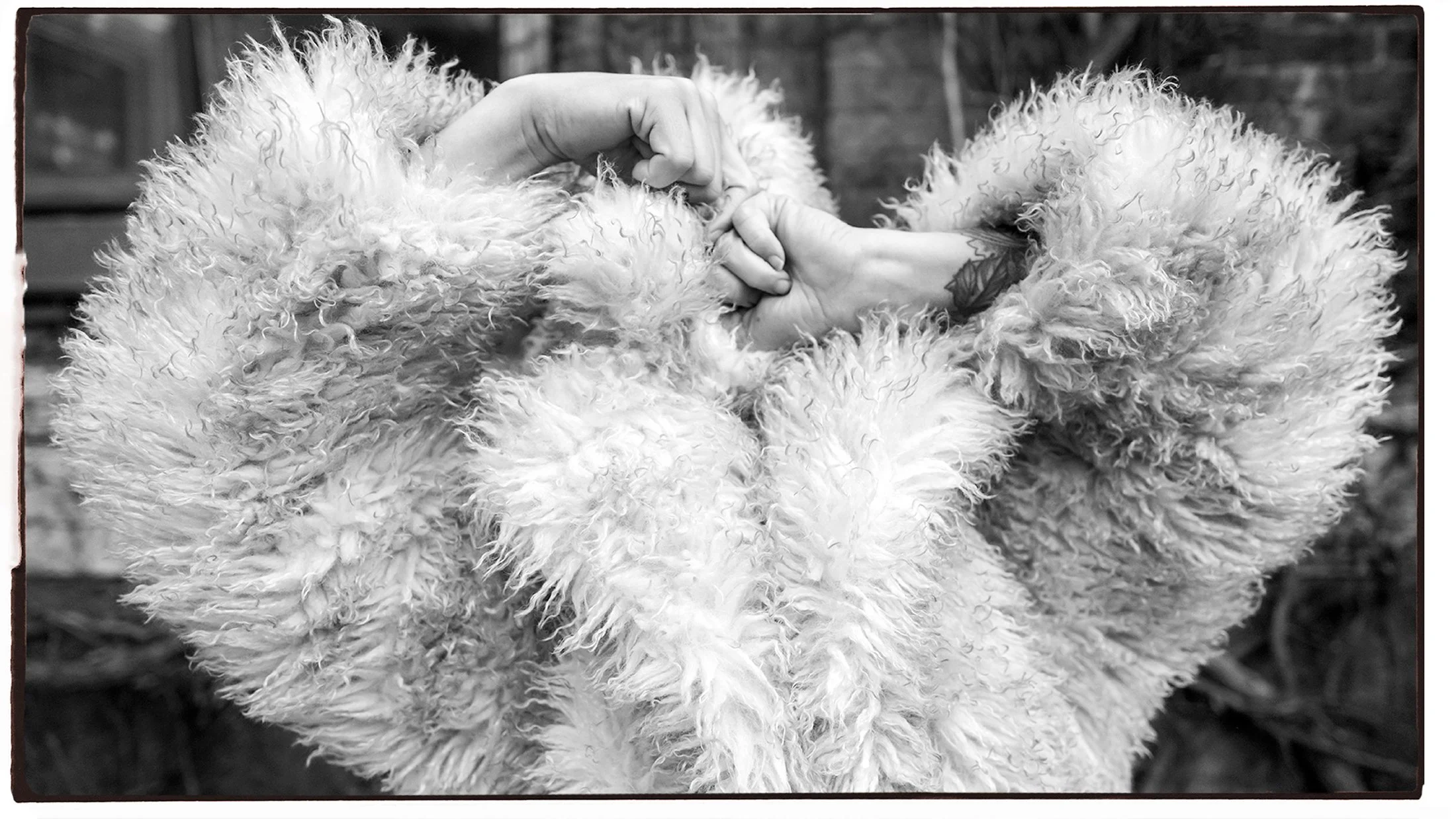
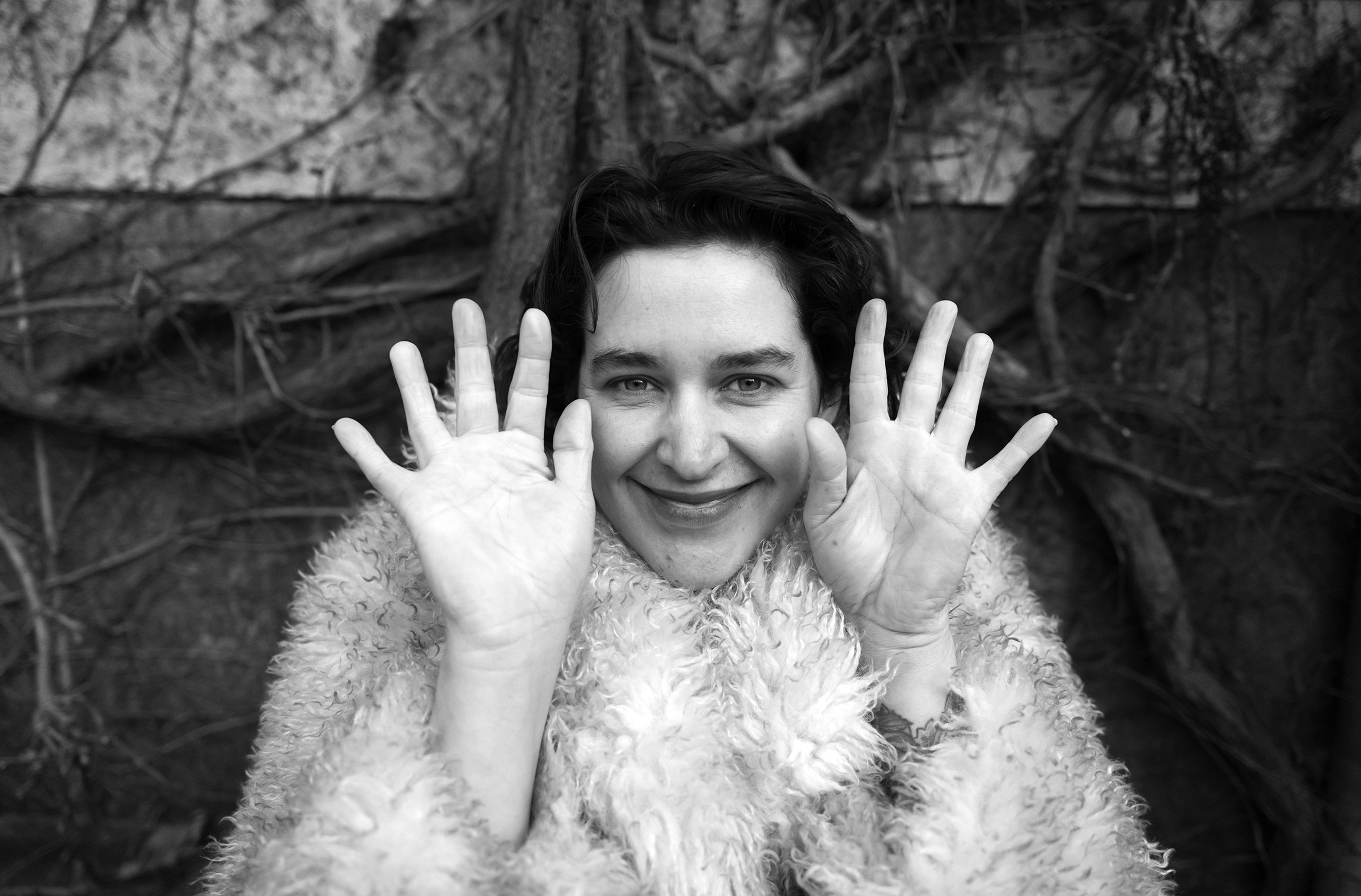
I've grown up with Facebook and Instagram. That's how I find lesbian spaces in public. That's also how I date. I think each individual creates the lesbian spaces by bringing something of themselves into them. For example, when I was living in Gothenburg, there was a photographer who took a lot of pictures of everyone in the community. It became her language. She made a book out of it. Her project helped me become comfortable with my body. I played a lot with my body language at that time. I got tattoos. I was naked in front of the lens. I've had a lot of different styles. Playing with self-expression is really exciting. You're creating your own little queer home with your clothes, hair, and makeup. I've always felt safe in that. This fur coat is like armour. It's a big pink fake bear fur. It looks like a teddy, but it's definitely armour against the rest of the world.
Text and photos © Gry Ellebjerg
More Features
EUROPE Here are the Lesbians! From south to north, east to west. This is The Deluxe Queer Guide of essential sapphic life: film, music, art, bars, bookshops, clubs and festivals.